15 yanvar 2026
Caring for silk: washing, ironing, storage
Style guides667 views

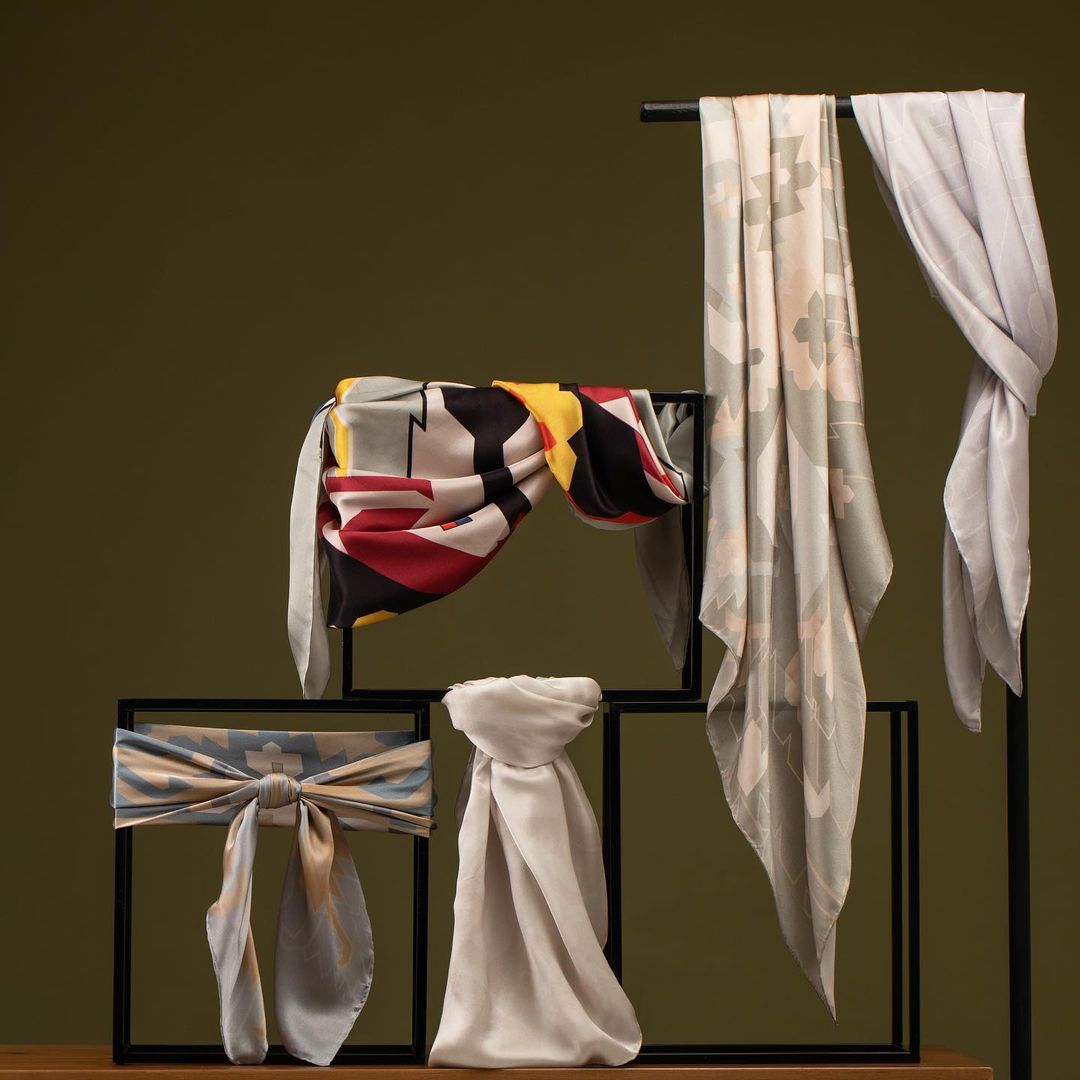
Pure silk is a durable material, but it is cared for differently from cotton. The steps below keep the colour and lustre of scarves, shawls and silk panels intact for years.
Washing
- Dry cleaning is the safest route, and the one we recommend for patterned and hand-painted pieces.
- If you wash at home: water below 30 °C, a neutral silk detergent, 3–5 minutes. Never add salt, soda or bleach.
- Do not rub or wring — it breaks the fibre. Squeeze gently while submerged and release.
- Test colourfastness first by pressing a damp white cloth against a hidden part of the hem.
Drying
- Press the water out between dry towels rather than using a tumble dryer.
- Dry flat, in the shade. Direct sun fades the dye; a radiator makes the fibre brittle.
- Hanging adds weight and stretches the piece — especially large squares.
Ironing
- Set the iron to silk (low heat) and press on the reverse side.
- Use a damp cotton cloth instead of the steam function — a water droplet can leave a mark.
- Do not iron hand-painted panels; let creases fall out by hanging them or with ambient humidity.
Storage
- For long storage, roll rather than fold — a fold line eventually becomes permanent.
- Use a cotton bag or the original box, not a plastic sleeve: silk needs to breathe.
- Keep perfume, deodorant and hairspray away; alcohol weakens the dye.
- Choose cedar or a lavender sachet over mothballs.
Dealing with stains
- Blot immediately with a dry tissue — press, never rub.
- For an oil mark, dust with talc, wait an hour, then lift it off with a soft brush.
- With wine or coffee, going straight to a dry cleaner is less risky than testing home remedies.
Silk panels and wall pieces
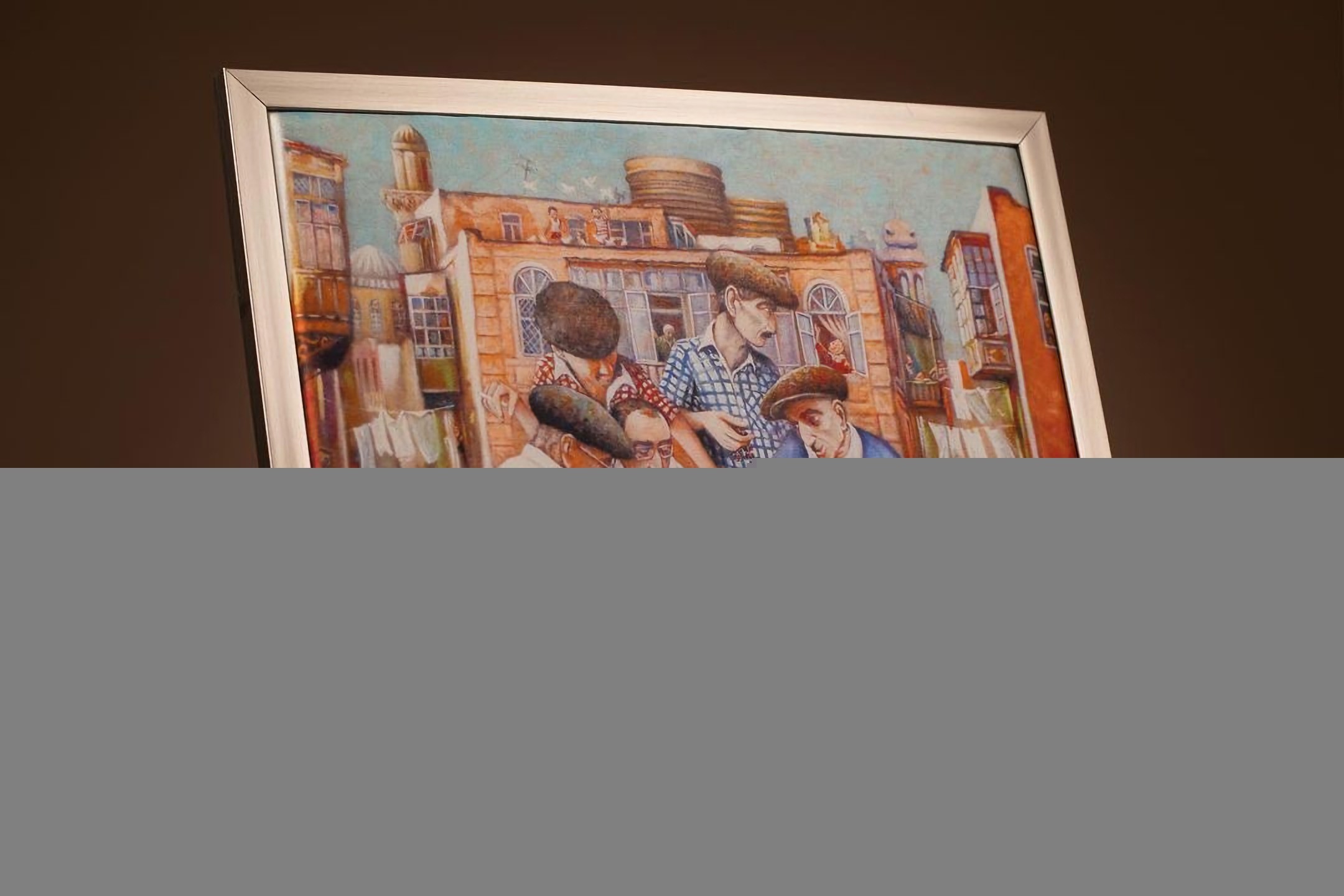
- Do not hang a panel on a wall in direct sunlight — silk dye is light-sensitive.
- Remove dust with a dry, soft brush; a damp cloth can leave a watermark.
- Long exposure to a humid room (bathroom, kitchen) weakens the fibre.
Followed consistently, these steps let a silk piece hold its shape and colour for decades — which is precisely why silk is treated as a material passed between generations.